
How Do I Know If There's a Water Leak Behind My Wall?
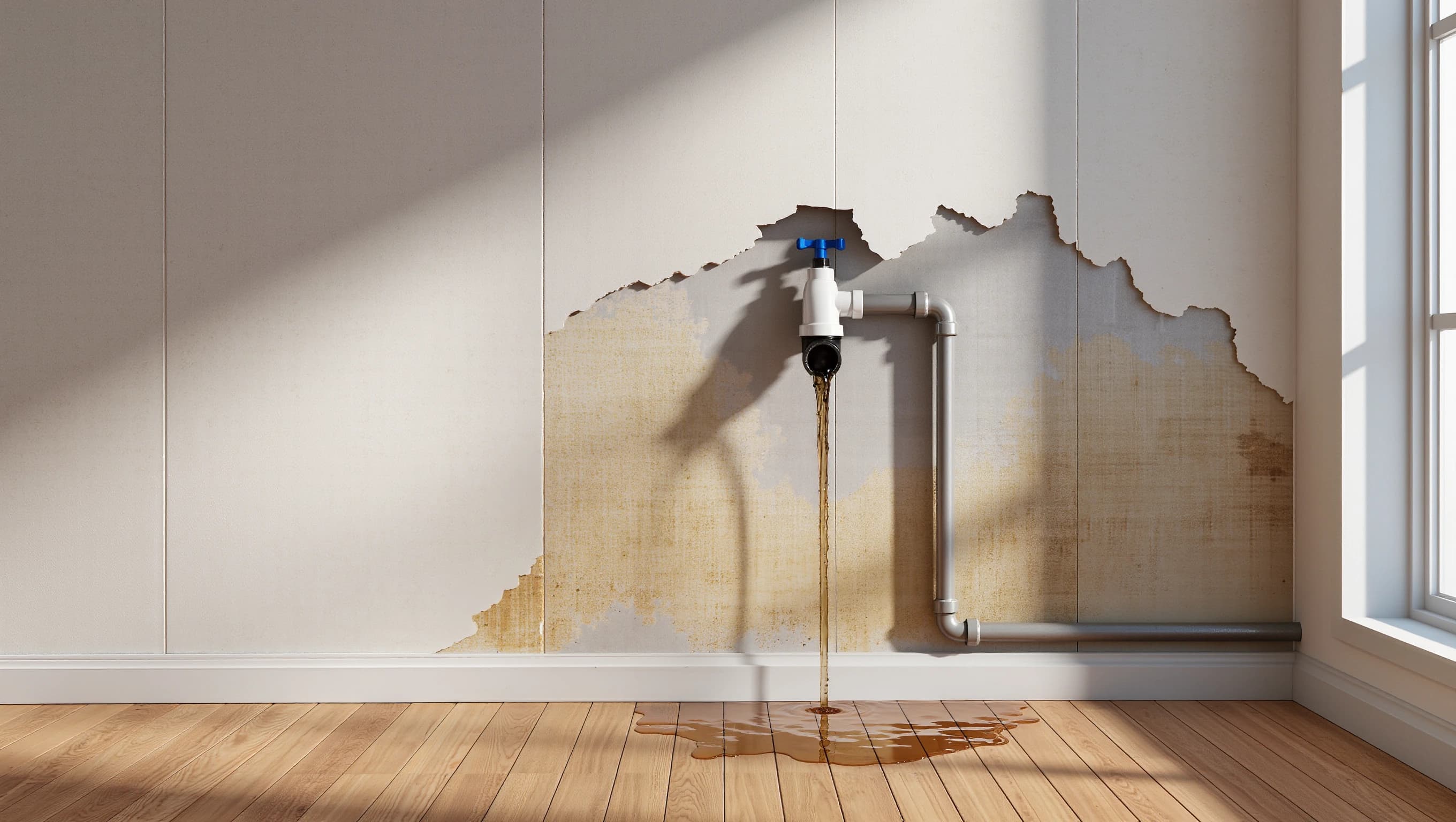
Yes, a leak behind a wall can be serious even without visible water, because it damages the structure and encourages mold silently. The most reliable signs are a growing stain, a persistent musty smell, bubbling paint, or a wall that feels soft to the touch. If you notice any of these, shut off the water if possible and call a plumber soon — the longer you wait, the more structural damage builds up.
What's Happening?
A leak behind a wall happens when a pipe inside the wall cavity — for water, drainage, or even heating — releases water gradually or suddenly. Unlike a visible leak under a sink, this one stays hidden behind the drywall or paneling, often for weeks before it clearly shows itself.
The accumulating water soaks into the structural wood, insulation, and drywall from the inside, creating perfect conditions for mold and progressively weakening the materials, well before you see a stain appear on the surface.
Is It Dangerous?
Yes, a hidden leak behind a wall is more serious than a visible leak because it progresses without your knowledge. Structural wood can rot, drywall disintegrates from the inside, and mold growing in an enclosed space can affect the air quality of the entire room.
Inspect or act immediately if:
- The wall feels soft, bulging, or warped to the touch
- You smell a persistent musty odor with no visible source
- Paint or wallpaper is bubbling or peeling in patches
- You hear running water when everything is shut off
- A moisture stain is visibly growing from day to day
Most Common Causes
| Cause | Explanation |
|---|---|
| Cracked or punctured supply pipe | Corrosion or physical damage in a pipe hidden inside the wall |
| Loose plumbing fitting | A joint behind a wall slowly seeping water over time |
| Frozen and cracked pipe in winter | Freezing in a poorly insulated wall cavity splits the pipe, which leaks at thaw |
| Water infiltration through a window or flashing | Rainwater seeps in and runs down the inside of the wall |
| Leak from an upstairs bathroom | Water from a poorly sealed shower or toilet drips down into the wall below |
| Failed exterior caulking | Sealant around windows or siding deteriorates and lets water in |
Why This Happens in Quebec
Quebec's freeze-thaw cycles are particularly hard on plumbing hidden inside poorly insulated exterior walls, especially in homes built before modern insulation standards. A pipe that freezes overnight can crack silently and only leak at the next thaw, making it hard to pin the leak to the exact moment of damage.
Montreal triplexes and duplexes with plumbing shared between floors add another risk: a leak from a second-floor bathroom can show up in the wall or ceiling of the unit below, complicating identification of the source without a professional inspection.
How to Check It Yourself
Touch the suspect wall in different spots to feel whether it's softer or colder than the surrounding area — moisture changes the texture of drywall. Also smell near baseboards and corners, where musty odor is often more concentrated.
Check your water meter: shut off every tap and appliance, note the reading, wait an hour without using any water, then check again. If the number moved, there's a leak somewhere in the system. Never cut into the wall yourself to "see inside" — you risk damaging an intact pipe or a hidden electrical wire.
Can I Ignore It?
No, a suspected leak behind a wall should never be ignored, even if the signs seem minor. Unlike other plumbing issues that progress slowly and predictably, a hidden leak can worsen quickly once structural wood starts rotting.
Every week of waiting increases the area of drywall and wood that needs replacing, and the risk of toxic mold grows exponentially in an enclosed, damp space.
How Much Does It Cost?
| Service | Estimated Price |
|---|---|
| Leak detection (thermal camera, moisture meter) | $250 - $600 |
| Pipe repair behind a wall (easy access) | $400 - $1,200 |
| Repair with wall demolition/rebuild | $1,500 - $5,000 |
| Mold remediation | $500 - $3,000 |
When to Call a Professional
- You confirm the water meter is moving with no active use
- The wall shows clear signs of warping or softness
- Musty odor persists despite good ventilation
- You can't find the source despite a visual inspection
- The leak is close to the electrical panel or an embedded circuit
A plumber uses a thermal camera or moisture detector to pinpoint the leak without blindly demolishing the whole wall, avoiding unnecessary repairs.
Related Questions
- Why Did My Water Pressure Suddenly Drop?
- My Basement Is Damp — Is It a Plumbing, Foundation, or Ventilation Problem?
- Why Do My Pipes Bang When I Shut the Water Off?
- Should I Insulate My Water Pipes In the Unheated Basement?
- Why Are There Always More Plumbing Emergencies During the Spring Thaw?
- My Shower Tile Sounds Hollow When I Tap It — Is That a Plumbing Problem?
- My Basement Smells Like Sewage After It Rains: Causes & Fixes
Frequently asked questions
Should I shut off the water if I suspect a leak behind a wall?+
If you can identify which line feeds the affected area, yes, shut off that specific valve. Otherwise, shut off the main water supply while you wait for the plumber.
Does my home insurance cover the damage?+
Often yes for sudden damage, but insurers usually require proof the leak wasn't caused by prolonged lack of maintenance. Document everything with photos before repairs.
How long can a hidden leak go unnoticed?+
It varies widely, from a few days for an active leak to several months for a slow seep. The longer it goes, the more structural damage accumulates silently.
Should I call a professional right away if I just smell mold?+
Yes, a persistent musty smell with no visible source is exactly the classic sign of a hidden leak. Don't wait to see actual water before acting.
Get a free quote
More to know before your project.
By Julien Fortin — RBQ-licensed plumber, 10 years of experience in residential plumbing
Updated on July 23, 2026