
Should I Insulate My Water Pipes In the Unheated Basement?
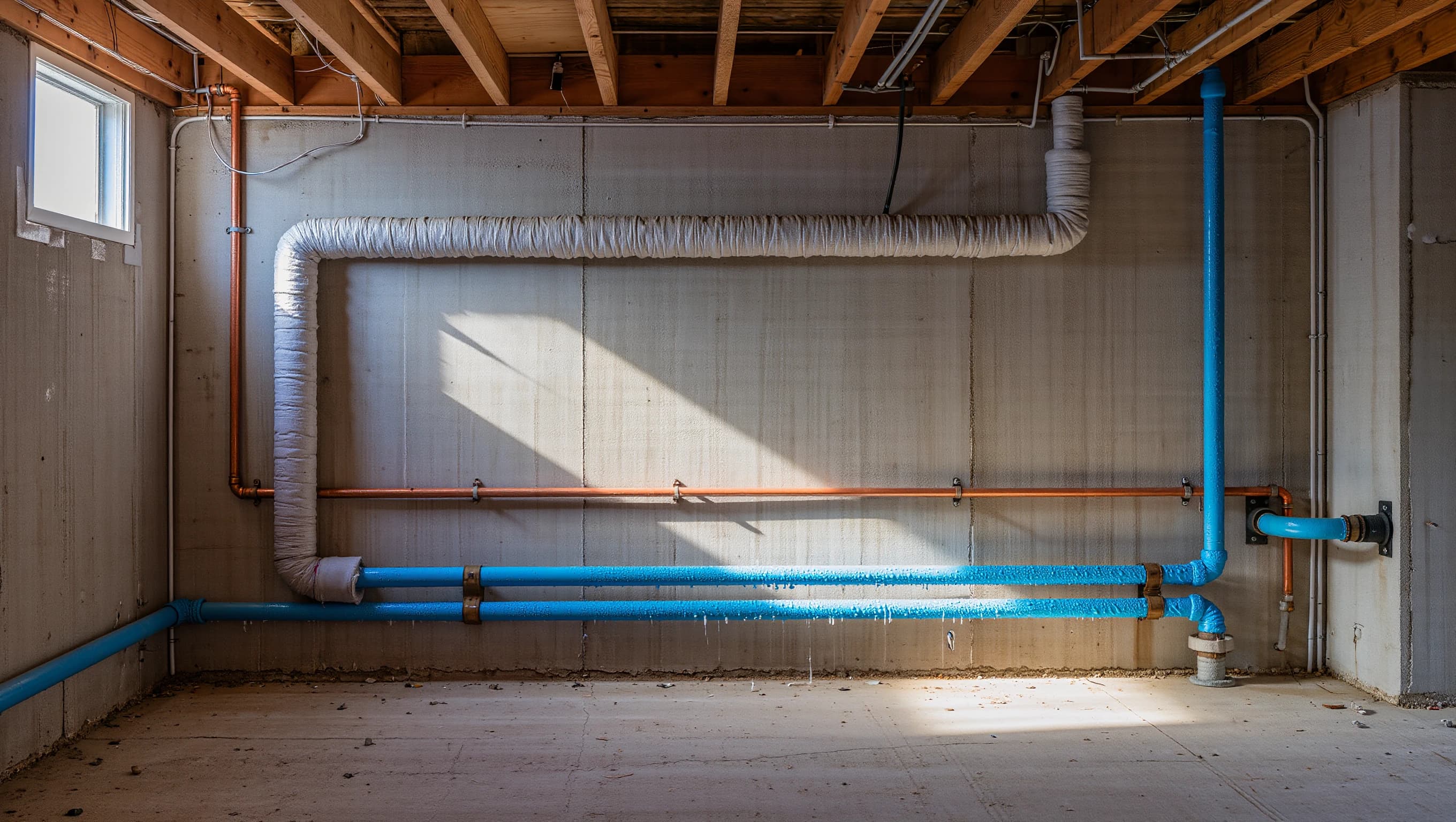
The unfinished or partially heated basement stays noticeably colder than the rest of the house during winter, and the water pipes running through it become a legitimate concern before every severe cold season.
Why insulating the pipes is generally worth it
A pipe that freezes can develop an invisible crack that only reveals itself at the thaw as an active leak, potentially in a finished space where damage is costly to repair. Insulating exposed pipes in an unheated space considerably reduces this risk for a relatively modest cost.
Which pipes deserve priority insulation
| Location | Insulation priority |
|---|---|
| Pipes near exterior foundation walls | High priority, direct exposure to outside cold |
| Pipes in a crawl space or particularly cold area | High priority |
| Pipes in the basement's central, warmer section | Lower priority, less exposed to extreme temperatures |
| Main supply pipe entering the house | High priority, often the most vulnerable section |
The type of insulating material to favor
Tubular foam sleeving, simple to install by sliding it directly onto the pipe, offers affordable basic protection for most residential situations. For particularly at-risk areas, self-regulating heat cable, installed under the insulation, adds extra active protection that maintains a minimum temperature even during the most extreme cold.
Why insulation alone isn't always enough
Insulation slows heat loss but doesn't actively warm the pipe — in a basement that reaches very low temperatures for a prolonged period, insulation alone can delay freezing without necessarily preventing it entirely. A heat cable or keeping a minimum ambient basement temperature complements insulation for the highest-risk cases.
What to do before severe cold arrives
Installing insulation on the most exposed pipes before the first intense cold wave, rather than waiting for a problem, avoids the stressful situation of a frozen or cracked pipe in the middle of a winter emergency. Also checking that the basement maintains a reasonable minimum temperature, even without active heating, further reduces the overall risk.
Frequently asked questions
How much does basic insulation for exposed pipes cost?+
Generally affordable for basic tubular foam sleeving, a minor investment compared to the potential cost of a frozen, cracked pipe.
Can I install the insulation myself?+
Yes, tubular foam sleeving is generally designed for simple installation without specialized tools, accessible to most homeowners.
Does a heat cable use a lot of electricity?+
Modern self-regulating models use relatively little, automatically adjusting based on ambient temperature rather than heating continuously.
Should I also insulate drain pipes, not just water supply pipes?+
Drain pipes freeze less easily since they generally don't hold standing water, making their insulation less of a priority than supply pipes.
Get a free quote
More to know before your project.
By Julien Fortin — RBQ-licensed plumber, 10 years of experience in residential plumbing
Updated on July 23, 2026