
My Shower Tile Sounds Hollow When I Tap It — Is That a Plumbing Problem?
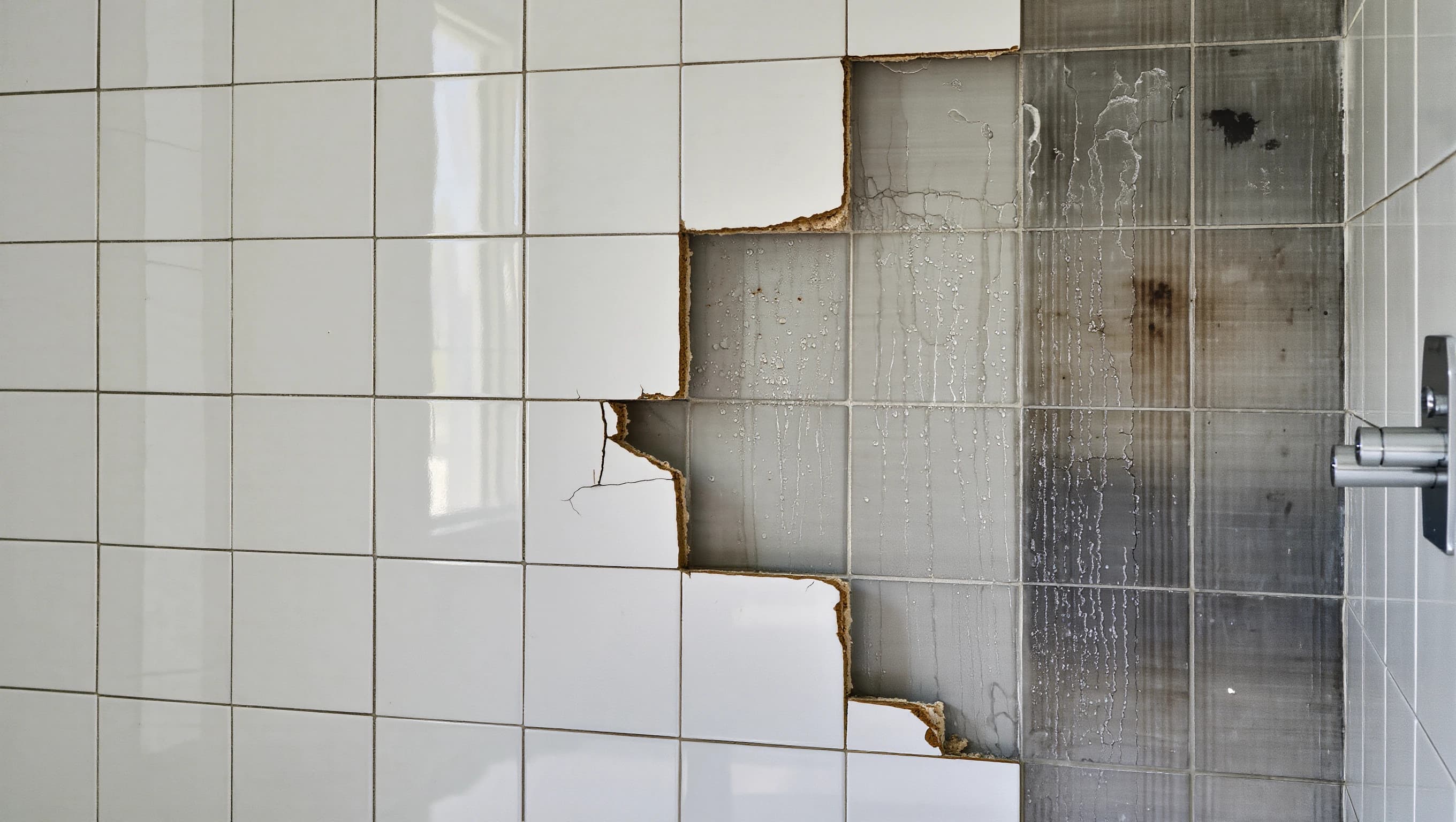
In most cases, hollow-sounding shower tile just means the mortar or adhesive has come loose from the wall underneath — an installation issue, not an emergency. But if the hollow sound comes with a musty smell, blackened grout, or tiles that actually shift, water may be getting in behind the wall and it should be checked out. Tap several tiles to see how large the affected area is before deciding what to do.
What's Happening?
When you tap a properly set tile, you hear a dull, solid thud, because the tile is bonded tightly to the mortar and wall behind it. A hollow or metallic sound means there's an air gap between the tile and its backing — the tile isn't really attached anymore, it's just sitting in place.
That loss of bond can be purely mechanical (adhesive wasn't applied correctly at installation, normal house movement) or caused by water seeping into the wall behind the tile, softening the moisture-resistant drywall or mortar, and making the tile lose its grip.
The only way to know which situation you're dealing with is to look at how large the area is and what else comes with it — smell, damaged grout, tiles that physically move.
Is It Dangerous?
A single isolated tile that sounds hollow, with no other symptoms, isn't dangerous — it's a cosmetic and durability issue that can wait for a planned repair. On its own, it isn't a plumbing emergency.
It's different when several signs show up together. Inspect or act quickly if you notice:
- A musty or damp smell near the shower, even when it's dry
- Blackened, crumbling grout, or grout that comes off easily with a fingernail
- Tiles that visibly shift or crack underfoot
- A damp stain or soft drywall on the wall on the other side of the shower (e.g. in an adjacent closet)
- A water stain or smell on the ceiling of the room below, if the shower is upstairs
In those cases, water has likely been getting behind the tile for a while, and it can damage the wall structure, encourage mold growth, or eventually turn into a larger water leak if left alone.
Most Common Causes
| Cause | Explanation |
|---|---|
| Adhesive not applied correctly at installation | Thin-set mortar wasn't spread evenly (a botched "peaks and valleys" technique), leaving air pockets under the tile |
| Normal building movement | Framing wood dries out and shifts with the seasons, eventually cracking the bond between tile and wall |
| Missing or failed waterproof membrane | Without a moisture barrier behind the tile, shower humidity reaches the drywall or mortar directly and weakens it |
| Cracked grout or degraded caulk joints | Water seeps in through cracks too small to see and destroys the bond from underneath, year after year |
| An active leak in the shower wall plumbing | A fitting or pipe slowly weeping inside the wall wets the mortar from the inside |
| Subfloor or wall that has shifted over time | In older homes, slight structural settling can loosen tile even without any water damage |
Why This Happens in Quebec
Quebec's freeze-thaw cycles and the big swings in humidity between summer and winter make framing wood work harder than in milder climates, which accentuates structural movement behind bathroom walls over time. This is especially true in the stock of postwar bungalows and Montreal triplexes, where original bathrooms often had no waterproof membrane behind the tile at all — a practice that only became standard later.
The very dry indoor air of a heated Quebec winter can also speed up the expansion-contraction cycles of materials, contributing to gradual tile detachment in showers that are 15 to 25 years old.
How to Check It Yourself
Gently tap a knuckle or the handle of a screwdriver across a grid of tiles, bottom to top and side to side, noting where the sound changes. Detachment concentrated near the drain or low on the wall is often water-related; detachment in the middle of the wall, away from any water source, is more often mechanical.
Feel the grout and caulk around the base of the shower — if it's soft, blackened, or gives off a musty smell, that points to active infiltration. Also check the wall on the other side (closet, adjacent room) for a stain or soft drywall.
Don't break tiles open yourself to "take a look" — you risk puncturing a membrane or a pipe without knowing it, or creating a hole that needs repair even if the problem wasn't serious. Leave that step to a professional who knows where and how to open things up cleanly.
Can I Ignore It?
It depends directly on what you found in the check above. If it's a single dry tile, with no smell or discoloration, you can plan the repair without urgency — just keep an eye on it to see if it gets worse.
If several tiles sound hollow, or there's a musty smell or degraded grout, no, don't ignore it. Water that keeps seeping in for months can rot the subfloor or wall framing, grow invisible mold between the tile and drywall, and turn a few-hundred-dollar tile repair into a full wall reconstruction costing thousands.
How Much Does It Cost?
| Service | Estimated Price (CAD) |
|---|---|
| Diagnostic inspection (checking for a leak behind the wall) | $150 - $350 |
| Localized repair (a few tiles, no water damage) | $300 - $800 |
| Repair with partial wall reconstruction (drywall, membrane) | $1,000 - $2,500 |
| Full shower rebuild (tile, membrane, plumbing) | $3,500 - $8,000+ |
If the inspection reveals an active leak in the wall plumbing rather than just a waterproofing issue, the plumber usually adds the cost of fixing the leak itself, typically in the same range as a standard drain-clearing or faucet repair call — roughly $150 to $450 for a simple fix.
When to Call a Professional
- You notice a persistent musty smell near the shower, even when it's dry
- The grout or caulk is blackened, soft, or comes off easily
- More than one tile (not just one) sounds hollow when you tap it
- You see a stain, discoloration, or soft drywall on the adjacent wall
- The shower is over 15 years old and has never been checked behind the tile
- You hear water running inside the wall when the shower isn't in use
A plumber or building inspector can confirm with a moisture meter or thermal camera whether water is really the cause before anyone opens up the wall — that avoids tearing out tile for nothing, or painting over an active problem.
Related Questions
- How Do I Know If There's a Water Leak Behind My Wall?
- Why Does My Tub Drain Very Slowly While the Sink In the Same Bathroom Works Fine?
- My Basement Smells Like Sewage After It Rains: Causes & Fixes
- My Basement Is Damp — Is It a Plumbing, Foundation, or Ventilation Problem?
- Why Does My Toilet Make a Sucking or Gurgling Sound After I Flush?
- Brown Water Is Coming Out of the Tap: Is It Dangerous?
Frequently asked questions
If it's just one hollow tile, do I really need to worry about it?+
No, not right away. A single dry tile with no smell can simply be monitored and fixed during a planned renovation. The red flag is when several tiles sound hollow at the same time.
Can I fix a loose shower tile myself?+
Removing and re-gluing a single dry tile is doable for a handy homeowner, but if you're not sure there's no water behind it, get it checked first — re-gluing tile over a damp wall just hides the problem.
How long does it take for water to damage the wall behind a shower?+
It varies, but a slow leak can soften drywall and start growing mold in just a few months, especially with daily shower use. That's why it's worth checking at the first signs rather than waiting.
Should I call a plumber or a tile setter for this problem?+
Start with a plumber or an inspector if you suspect a water leak, since they can confirm the source before anyone touches the tile. If the inspection rules out infiltration, a tile setter can then handle the cosmetic repair.
Could this just be normal in an older house?+
Some mild mechanical detachment from normal building movement is indeed more common in homes over 20 years old. But "common" doesn't mean "ignore it" — still check for smell and grout condition to rule out a water-related cause.
Get a free quote
More to know before your project.
By Julien Fortin — RBQ-licensed plumber, 10 years of experience in residential plumbing
Updated on July 23, 2026