
My Contractor Disappeared In the Middle of the Job — What Do I Do?
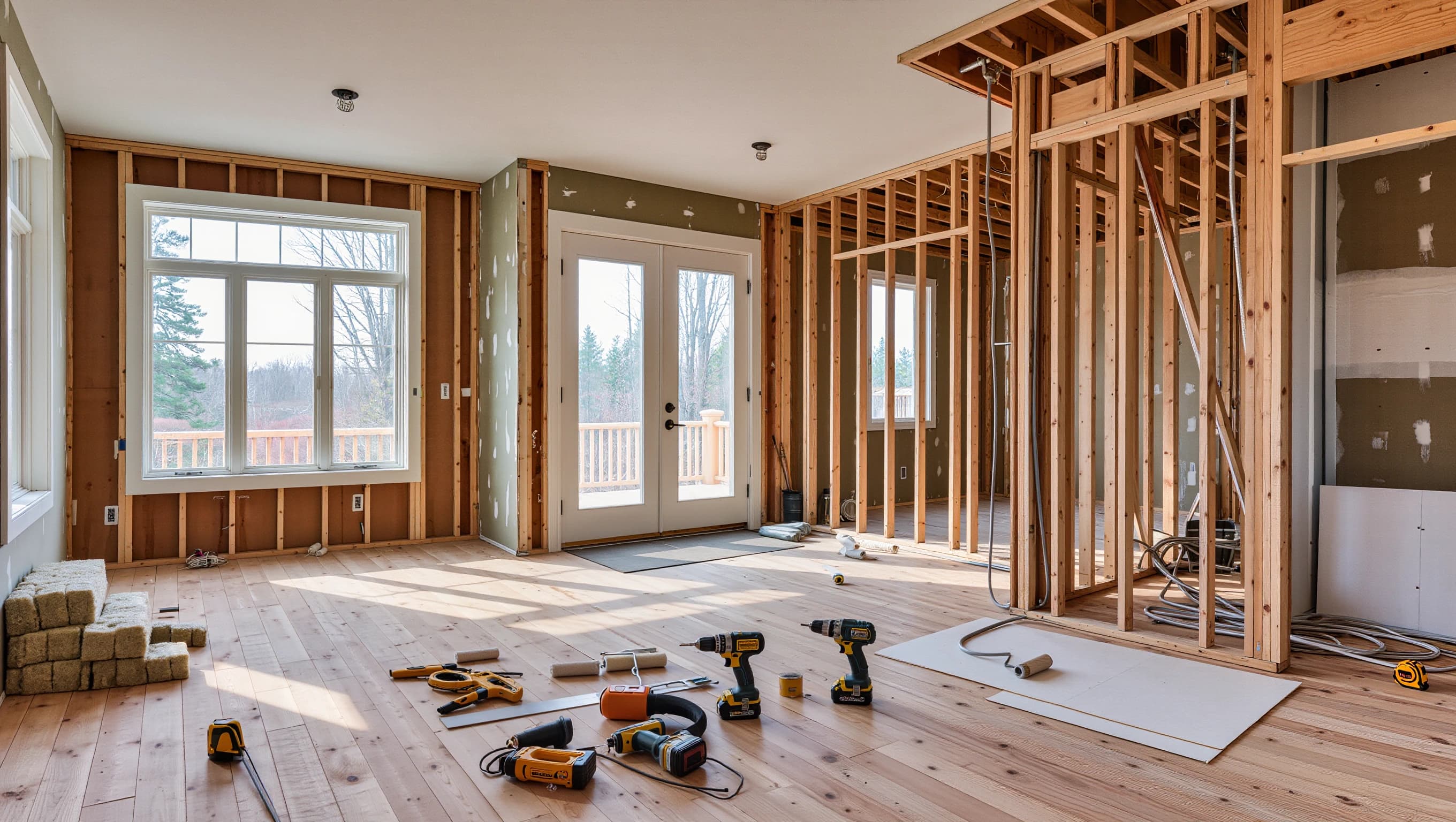
Yes, this happens more often than people think, especially with unlicensed contractors or during periods of high demand. It's not dangerous by itself, but a job site left open (a wall broken through, plumbing disconnected, exposed wiring) can become one over time. Document everything right away, stop any further payments, and contact the RBQ, your insurer, and another contractor for an assessment before resuming work.
What's Happening?
A contractor can disappear for several reasons: they took on too many contracts at once, they're in financial trouble, the project is costing more than expected and they're avoiding the confrontation, or, in the worst cases, they never intended to finish the job.
Whatever the reason, you're left with a stalled site: materials ordered but not installed, surfaces left open, sometimes plumbing or electrical disconnected mid-work. The house is usually no longer in a "finished" or "safe" state for normal use.
Radio silence (unanswered texts, a phone that stops ringing through) is often the first sign, followed by workers being absent from the site for several days in a row with no explanation.
Is It Dangerous?
It depends on the condition the site was left in. The disappearance itself isn't a physical danger, but an open job site can become one.
Inspect or secure the area immediately if:
- Electrical wires are exposed or unprotected
- A load-bearing wall or structural section was opened without temporary support
- Plumbing was disconnected, leaving a risk of water damage
- The house is no longer weathertight (open roof, missing window) ahead of winter or a rainy stretch
- Dangerous materials or equipment were left accessible (ladders, tools, chemical products)
If any of these apply, temporarily secure the area yourself (tarp, safety tape) and bring in a professional quickly, even if it's not your original contractor.
Most Common Causes
| Cause | Explanation |
|---|---|
| Contractor in financial trouble | They used your deposit for another job or to pay off debts and no longer have funds to continue |
| Too many job sites open at once | A popular or poorly organized contractor takes on more contracts than they can manage, especially in spring and summer |
| Unexpected cost overrun | The project costs more than expected because of an issue discovered mid-job, and the contractor would rather vanish than discuss it |
| Unresolved conflict with the client | A disagreement over work quality or timelines escalates and the contractor stops showing up |
| Planned fraud | In the worst cases, the contractor never intended to finish the job |
| Personal or health issue | Rarer, but possible: illness, an accident, or a family emergency that stops the contractor from continuing without warning |
Why This Happens in Quebec
Quebec's strong seasonal demand for renovation work (mostly between April and October) means many contractors, especially smaller or unlicensed ones, take on more contracts than their actual capacity. A shortage of skilled construction labor makes the problem worse.
Checking that your contractor holds an active RBQ license is your best protection: the Régie du bâtiment du Québec requires a license for most renovation work, and a licensed contractor is covered by a guarantee plan that can compensate you if a job is abandoned, while an unlicensed contractor leaves you with no structured recourse.
How to Check It Yourself
Before acting, gather the information you'll need:
- Take dated photos and videos of the site's current state, including any visible hazards
- Collect all documents: the signed contract, invoices, proof of payment, and text or email exchanges
- Check the contractor's RBQ license status on the Régie du bâtiment du Québec website
- Calculate what's been paid versus what work has actually been delivered
What you shouldn't do yourself: touch exposed electrical wiring, attempt to fix a gas leak, or continue structural work (like an opened wall) without a professional assessment, even if you're eager to finish.
Can I Ignore It?
No. An abandoned job site never resolves itself, and the longer you wait, the weaker your financial recourse gets: deadlines for filing a complaint with the RBQ or an insurance claim are time-limited.
If the site stays open without intervention, exposure to weather, moisture, or insects can worsen the existing damage and drive up the repair bill, on top of the original problem of a missing contractor.
How Much Does It Cost?
| Work | Estimated Price |
|---|---|
| Site condition assessment by a new contractor | $200 - $500 |
| Temporary securing (tarps, provisional closure) | $150 - $600 |
| Resuming and finishing the work with a new contractor | Often 20% to 40% more than the original contract, depending on the site's condition |
| Legal fees for a claim or formal notice | $300 - $1,500 depending on complexity |
For a kitchen renovation ($15,000 to $50,000) or a home addition ($40,000 to $150,000), a job abandoned midway can mean tens of thousands of dollars already spent with nothing finished, which is why acting quickly matters.
When to Call a Professional
- Immediately if there's a physical hazard present (exposed wiring, an open structure, a water or gas leak)
- As soon as possible for an honest assessment of the work's actual state before you pay anyone else
- If you need to file a claim with the RBQ, the guarantee plan, or your insurer, a construction lawyer can clarify your options
- If you suspect deliberate fraud, a police report may be necessary alongside any civil steps
Related Questions
- Do I Need to Tell My Insurer If I'm Renovating Myself Without a Contractor?
- Why Did My Renovation Quote Nearly Double Once the Work Started?
- How Many Quotes Should I Really Get Before Choosing a Contractor?
- How Do I Know If a Wall Is Load-Bearing Before I Remove It?
- Do I Need a Permit to Finish My Basement?
- Why Do Cracks Keep Coming Back In the Same Spot After the Renovation?
- Is It a Good Idea to Sell My House Without Fixing the Problems a Buyer Will Notice?
Frequently asked questions
Should I keep paying my contractor if they've stopped responding?+
No, stop any further payments right away. Only pay for work that's actually been completed and documented, and keep proof of every payment made in case you need to file a claim.
Can I hire another contractor to finish the work right away?+
Yes, but have the site assessed and everything documented first, before a new contractor starts, especially if you plan to file a claim against the missing contractor.
Will the RBQ guarantee plan actually reimburse me?+
If your contractor held an active RBQ license when the contract was signed, yes, compensation is possible within certain limits. Without an active license, you generally have no recourse through this plan.
How much time do I have to file a complaint against a missing contractor?+
Deadlines vary depending on the type of recourse (RBQ complaint, guarantee plan claim, civil lawsuit), but they are all time-limited. Act as soon as possible rather than waiting, ideally within weeks of the disappearance.
Get a free quote
More to know before your project.
By Catherine Lavoie — RBQ-licensed general contractor, residential renovation specialist
Updated on July 23, 2026