
Why Does My Attic Feel Like an Oven In Summer, and Does It Affect the Rest of the House?
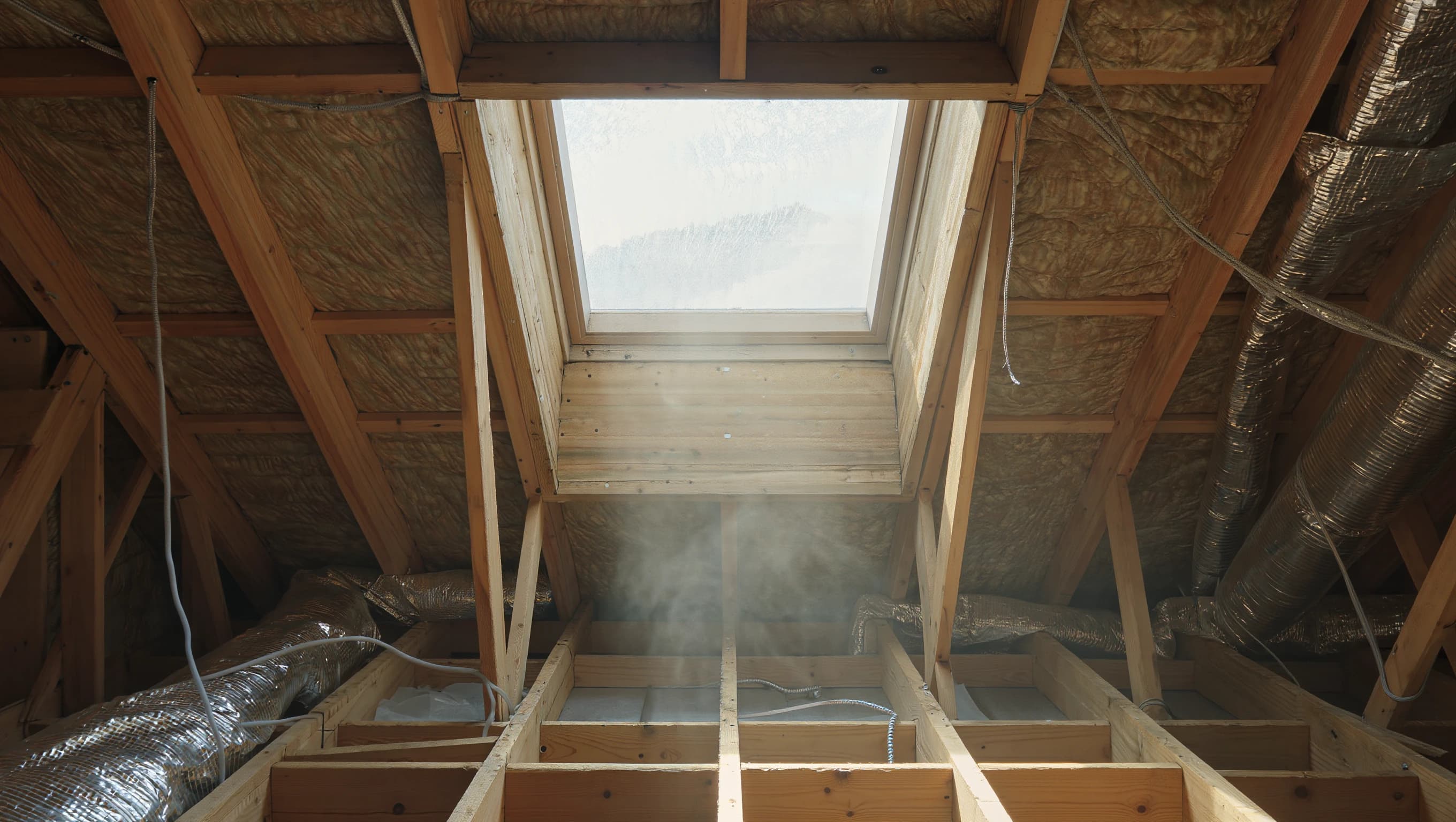
Yes, an overheated attic affects the rest of the house, especially the floor right below it and especially late in the day. The main cause is almost always a combination of insufficient ventilation and inadequate insulation between the attic and the living space. It's not dangerous to the structure in the short term, but it drives up your cooling bill and can speed up shingle wear. The fix is usually better attic ventilation, not more air conditioning.
What's Happening?
A roof exposed to sun all day can push attic temperatures well above the outdoor temperature — easily 50°C to 65°C even when it's 28°C outside. That's normal to a degree: an attic isn't designed to be air-conditioned, it's a buffer space between the roof and the rest of the house.
The problem shows up when that buffer doesn't work well: without proper ventilation, hot air stays trapped instead of escaping, and without enough insulation between the attic and the ceiling below, that extreme heat transfers into the living space, especially the top floor.
The typical result: the top floor is noticeably hotter than the ground floor in late afternoon and evening, even with the AC running, because the ceiling keeps "radiating" accumulated heat for hours after sunset.
Is It Dangerous?
It's not dangerous to occupants or to the house's structure in the short term. A hot attic is uncomfortable and costly, but not a safety risk on its own. That said, check it or have it checked if:
- Shingles seem to be degrading abnormally fast (cracking, curling) — extreme heat speeds up their wear
- You notice signs of wood drying out and splitting in the roof framing
- There's mold or a musty smell in the attic, indicating a broader ventilation problem beyond just heat
- Materials stored in the attic (especially flammable products) are exposed to prolonged extreme heat
None of these are an immediate emergency, but they're worth an inspection if you see them.
Most Common Causes
| Cause | Explanation |
|---|---|
| Insufficient attic ventilation | Without enough intake (soffit) and exhaust (ridge, gable vents), hot air stays trapped |
| Insufficient attic floor insulation | Thin or settled insulation lets heat pass through to the ceiling below |
| Dark-colored shingles | Dark shingles absorb more solar heat than light-colored ones |
| Missing air barrier or air leaks | Air leaks between the living space and the attic also let heat in during summer |
| Attic used as dense storage space | Boxes and stored items block airflow even when vents exist |
| Faulty or missing attic fan | A mechanical fan actively helps exhaust hot air, especially in very hot weather |
Why This Happens in Quebec
Quebec summers, while shorter than elsewhere, can produce intense heat waves with strong direct sun on roofs, particularly on older houses (postwar bungalows, triplexes) that often still have original attic insulation and ventilation, never updated to current standards.
The same attic that has to handle -30°C in winter also has to handle extreme heat peaks in summer — it's a two-season design challenge, and many renovations focus on winter insulation (keeping heat from escaping) without giving equal thought to summer ventilation (getting incoming heat out).
How to Check It Yourself
What you can safely observe, ideally early in the morning before the heat builds up:
- Look for soffit and ridge vents visibly blocked by insulation, debris, or bird nests
- Check the thickness of the attic floor insulation — less than 12-14 inches (R-40 to R-50) is generally insufficient in Quebec
- Note the temperature difference between the top floor and the ground floor late in the day
- Look for signs of mold, discolored wood, or a musty smell, which would indicate a more serious ventilation problem
Avoid going into the attic during the hottest hours (heat-exhaustion risk in an unventilated space that can exceed 60°C) and never climb onto the roof yourself to inspect vents — leave that to a professional with the right equipment.
Can I Ignore It?
Yes, to some extent, if the attic isn't lived in and you don't use the top floor for sleeping in summer. Many homeowners tolerate a hot attic without ever addressing it.
But ignoring it has a cumulative cost: your cooling system works harder and longer to offset the heat coming through the ceiling, raising your electricity bill every summer. Over the longer term, repeated extreme heat can also speed up wear on shingles and roof framing, bringing a roof replacement closer.
How Much Does It Cost?
| Service | Estimated Cost |
|---|---|
| Attic ventilation and insulation inspection | $150 - $300 |
| Adding or clearing vents (soffit, ridge) | $300 - $800 |
| Adding insulation to the attic floor | $1,500 - $3,500 |
| Installing a mechanical attic fan | $400 - $900 |
This work also reduces the load on your cooling system or heat pump — in some cases, better attic ventilation can delay the need for a more powerful system, which would otherwise cost $4,000 to $12,000 for a full installation.
When to Call a Professional
- The top floor stays noticeably hotter than the rest of the house even with the AC running well
- You see signs of mold, damaged wood, or a musty smell in the attic
- Vents seem blocked or insufficient but you're not sure how to properly assess them
- Your cooling bill has risen significantly with no obvious explanation
- You're planning a roof replacement soon and want to optimize ventilation at the same time
A professional can measure the attic's actual air-exchange rate, assess whether the insulation meets current Quebec standards, and identify whether the problem is ventilation, insulation, or both.
Related Questions
- Why Is Just One Room In My House Always Hot?
- Why Is It Colder Upstairs Than Downstairs In My House?
- My AC Is Running All Day, Is It Broken?
- Why Does My Heat Pump Smell Like Burning the First Time I Turn It On For Summer?
- When Should I Really Get My Heat Pump Checked Before Summer: Too Early or Too Late?
- Why Is My House Too Dry In Winter?
- Is My Furnace Too Small for My House?
Frequently asked questions
Is an attic fan enough to fix the problem?+
Often yes, alongside adequate passive ventilation (unblocked vents). But if the attic floor insulation is also insufficient, a fan alone won't stop the heat transferring to the floor below.
Is it normal for my attic to reach 60°C in summer?+
Some heat is normal — the attic isn't air-conditioned. But if it noticeably affects comfort on the floor below or drives up your bill, better ventilation can lower that temperature by several degrees.
Does a hot attic really wear out my cooling system faster?+
Indirectly, yes. The system has to work harder and longer to offset the heat coming through the ceiling, which increases wear and your electricity bill, even though it's not a direct cause of breakdown.
Do I need to call a professional right away if my attic is very hot?+
Not urgently — it's not a short-term danger. But if it's noticeably affecting your comfort or energy bill, a ventilation and insulation inspection is worth scheduling before next summer.
Get a free quote
More to know before your project.
By Marc Tremblay — Certified HVAC technician, 12 years of experience in Quebec
Updated on July 23, 2026