
My Doorbell Transformer in the Electrical Panel Is Buzzing Loudly and Feels Warm
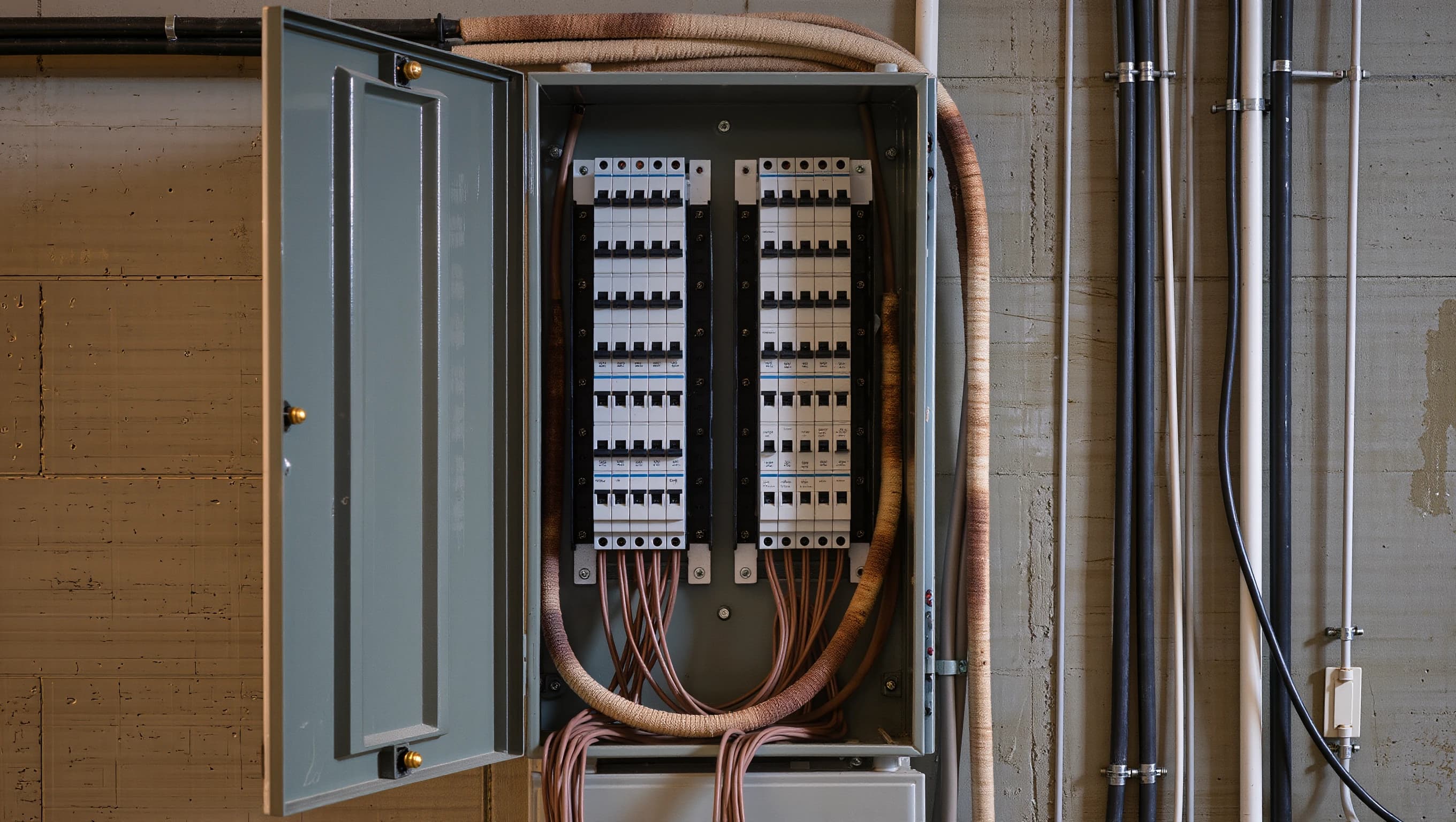
A quiet, faint hum can be normal, but a loud buzzing combined with warmth almost always signals a partial short circuit, a mismatched transformer, or wear inside the unit. It's usually not an emergency in itself, but it needs a quick check — an overheating transformer can damage nearby wiring or trip its breaker if left alone.
What's Happening?
The doorbell transformer steps down the panel's 120 volts to about 16-24 volts to power the doorbell and chime.
- A light 60 Hz hum is normal for most transformers.
- A loud buzz, hissing, or increased vibration noise often means the internal core is vibrating more than it should.
- Heat usually comes from an overloaded internal winding, caused by a short somewhere in the doorbell circuit or a failing transformer itself.
This small device gets overlooked easily, but it stays permanently connected to the electrical panel, meaning a problem here sits on a circuit that's always live.
Is It Dangerous?
It's not as urgent as burning smells from the main panel, but it deserves quick attention.
- An overheating transformer can melt its own insulation and create a hot spot near other panel wiring.
- In rare cases, a prolonged short can char the housing or damage the associated breaker.
- Fire risk stays low with these small low-voltage transformers, but it exists if heat is left unchecked for weeks.
If you smell burning plastic, see smoke, or notice discoloration on the panel, cut power to the circuit immediately and call an electrician for an emergency visit.
Most Common Causes
| Cause | Frequency |
|---|---|
| Short circuit in the doorbell wire (often outdoors, exposed to weather) | Very common |
| Transformer mismatched to the installed chime (wrong voltage) | Common |
| Aging transformer near end of life (degraded windings) | Common |
| Stuck or moisture-affected doorbell button causing a continuous connection | Moderate |
| Loose connections at the transformer creating resistance and heat | Moderate |
| Faulty chime unit drawing too much current | Occasional |
Why This Happens in Quebec
Harsh winters and freeze-thaw cycles wear down the insulation on doorbell wiring, which often runs outdoors near the front entry.
- Moisture seeping into the outdoor doorbell button causes intermittent shorts.
- Big temperature swings make the transformer work harder, speeding up winding wear.
- Many older homes still have the original transformer installed 20-30 years ago, never replaced.
How to Check It Yourself
- Listen closely: a low, steady hum is different from an actual sizzling or crackling sound (the latter is more serious).
- Briefly touch the transformer housing (not the wires) — if it's too hot to touch comfortably for more than 2-3 seconds, that's abnormal.
- Check whether the doorbell still works normally, or rings continuously, faintly, or not at all.
- Inspect the outdoor doorbell button for visible moisture or corrosion.
- Check whether the associated breaker (often a lighting circuit or dedicated one) has tripped or feels warm.
Never open the panel or dismantle the transformer yourself if you're not comfortable working with electrical systems.
Can I Ignore It?
No, not indefinitely.
- A mild hum without heat can wait for your next electrical checkup.
- Noticeable heat, even without smell, deserves attention within the next few days.
- Ignoring an active hot spot inside the panel for weeks raises the risk of damage to nearby wiring.
The safest short-term move: switch off the breaker feeding the doorbell circuit if the buzzing and heat persist, until it's inspected.
How Much Does It Cost?
| Job | Price Range |
|---|---|
| Doorbell transformer replacement | 100$-250$ |
| General electrical diagnostic visit | 100$-200$ |
| Outdoor doorbell wiring repair | 150$-350$ |
| Electrical emergency (active hot spot or short circuit) | 150$-500$ |
| Electrical panel upgrade (if the panel itself is the wider issue) | 1500$-4000$ |
When to Call a Professional
- The transformer housing is too hot to touch comfortably.
- You hear sizzling or crackling, not just a hum.
- You notice discoloration, smoke, or a burning smell near the panel.
- The problem persists even after checking the doorbell button and outdoor wiring.
- You're simply not comfortable opening the electrical panel yourself — never do it without training.
Related Questions
- A Warm Electrical Outlet to the Touch: Is It Dangerous?
- Why Did One of My Outlets Suddenly Stop Working?
- Why Are My Light Switches Warm to the Touch When the Light's Been On For a While?
- Can Old Aluminum Wiring in My House Actually Catch Fire?
- Is It Dangerous That My Electrical Panel Still Uses Fuses?
- My Breaker Trips Every Time I Use the Microwave and Toaster Together
- Why Does My Smoke Detector Chirp Occasionally Even With a Fresh Battery?
Frequently asked questions
Is a doorbell transformer humming always a problem?+
No. A faint 60 Hz hum is normal for most transformers. The concern arises when the noise becomes loud, changes tone, or is accompanied by noticeable heat to the touch.
Can I replace the doorbell transformer myself?+
If it's an external plug-in style transformer, yes, with caution. If it's hard-wired directly into the electrical panel, it's best to call an electrician, since it involves working near live circuits.
How long does a doorbell transformer normally last?+
A doorbell transformer typically lasts 15-25 years. Past that age, internal winding wear becomes more likely, especially in homes exposed to large temperature swings.
What should I do if the associated breaker trips along with the buzzing?+
Leave the breaker off and don't repeatedly reset it. This often indicates an active short circuit that needs an electrician's inspection before power is restored.
Get a free quote
More to know before your project.
By Isabelle Roy — RBQ-licensed electrician, residential electrical safety specialist
Updated on July 24, 2026