
When to Replace Your Heat Pump: 7 Signs to Watch For
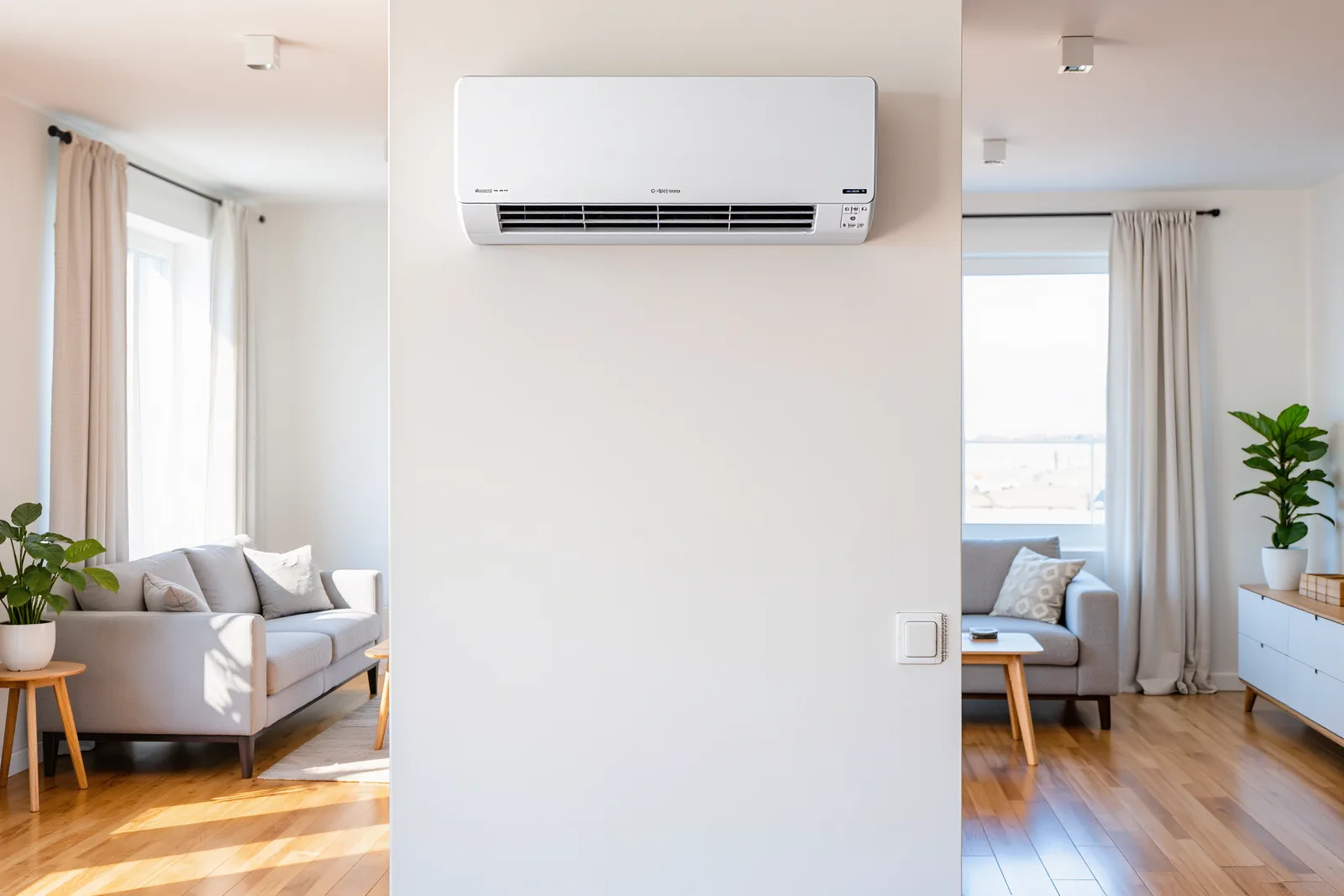
Replacing a heat pump is a major expense — so the question is never simple, and it's easy to keep repairing a failing unit out of sheer cost-avoidance instinct, until the total repair bill far exceeds what an earlier replacement would have cost. Here are seven signs that, together or on their own, suggest it's time to seriously consider replacement rather than another repair.
1. The unit is over 12-15 years old
That's the typical lifespan of a well-maintained residential heat pump. Past that point, internal components — bearings, capacitors, seals — wear out faster and more unpredictably, and replacement parts for older models sometimes become harder to find or more expensive.
2. Repairs are becoming frequent and costly
A rule of thumb used by many technicians: if a repair costs more than 50% of a replacement, or you've called a technician more than twice in the past year for different issues, replacement often becomes more cost-effective long-term than continuing to invest in an aging unit.
3. Your electricity bill is rising with no obvious reason
A gradual loss of efficiency, invisible day to day since it happens over several seasons, translates directly into a higher bill for exactly the same level of comfort. This is one of the easiest signs to miss, precisely because it never shows up as an obvious breakdown.
4. The unit uses R-22 refrigerant
This refrigerant, used in older systems, is being progressively phased out of the market due to its environmental impact. If a unit using it needs a refrigerant recharge, it's becoming costly and, over time, increasingly hard to source — a factor that can justify replacement over repair on its own.
5. Comfort is no longer even
Some rooms stay cold in winter or hot in summer despite the rest of the house seemingly running normally — a sign the system is struggling to meet overall demand, often because its real capacity has declined with age and wear.
6. Noise level increases over time
Noise that gradually worsens, with no identifiable one-time cause like debris or an isolated electrical issue, often reflects widespread wear across several mechanical components at once rather than one isolated repairable problem.
7. The model is no longer Energy Star certified
Efficiency standards evolve regularly; a model built to 10-15-year-old standards consumes noticeably more electricity than a current model for equivalent comfort, even if the unit is still technically running without issue.
Repair or replace: the decision table
| Situation | Generally recommended decision |
|---|---|
| Under 8 years old, one isolated breakdown | Repair |
| 8-12 years old, repair under 50% of replacement cost | Repair, but keep watching |
| Over 12-15 years old, repeated repairs | Replace |
| Uses R-22 refrigerant | Replace, regardless of age |
| Energy bill steadily rising with no other explanation | Consider replacement |
The full financial math
A replacement obviously costs more upfront than a simple repair. But a newer, more efficient model lowers the energy bill year after year — a factor that should be added to the upfront cost in the calculation, not ignored. Over the unit's lifespan, the efficiency gap between a 15-year-old model and a current one can add up to significant cumulative electricity savings, on top of eliminating the repeated repairs that chip away at the maintenance budget year after year.
Frequently asked questions
Is it better to repair or replace an 8-year-old unit?+
At 8 years old, a repair is generally still worthwhile, unless the cost is disproportionate to the unit's age and remaining value.
How do I know if my unit uses R-22?+
The technical label on the outdoor unit indicates the refrigerant type used. If unsure, a technician can confirm it quickly during a visit.
Is a replacement always more efficient than a well-maintained old heat pump?+
Almost always, yes — even perfect maintenance doesn't fully offset the efficiency gains from technological advances over the past 10-15 years.
Get a free quote
More to know before your project.
By Marc Tremblay — Certified HVAC technician, 12 years of experience in Quebec
Updated on July 23, 2026