
How Much Longer Before My Water Heater Gives Out?
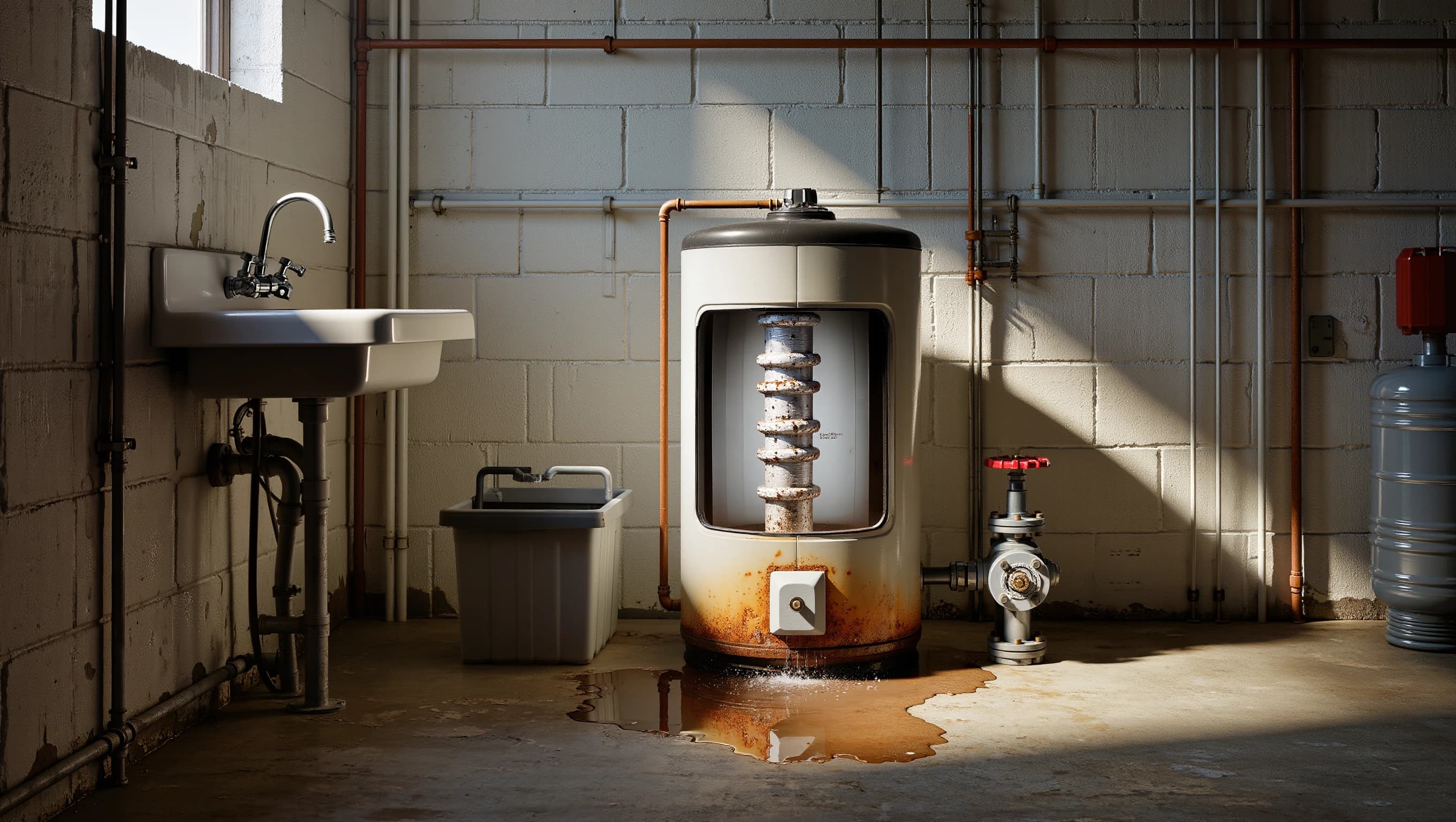
The water heater still works, still heats water properly, but doubt lingers about how much longer it'll hold up before failing, often at the worst possible moment. Here's how to actually assess where it stands.
Finding the water heater's exact age
The manufacture year usually isn't written directly, but it's encoded in the serial number on the manufacturer's label, typically the first 2-4 digits or letters. The manufacturer can confirm how to read that code if the label itself doesn't make it clear.
Typical lifespan by type
| Water heater type | Typical lifespan |
|---|---|
| Standard electric water heater | 10-12 years |
| Standard gas water heater | 8-12 years |
| Tankless water heater | 15-20 years |
| Water heater with regular annual maintenance | Often beyond average |
Signs a failure is approaching
A rumbling or popping noise during heating generally indicates sediment buildup at the bottom of the tank, an early sign of wear. Rusty water or slight moisture at the base of the tank are more advanced signs suggesting a possible failure within months rather than years.
Why a water heater leak is particularly problematic
Unlike other gradual breakdowns, a tank leak can go from a slight seep to a full failure fairly quickly, potentially causing significant water damage if it happens unwatched, for example during a trip. That's why watching for early signs rather than waiting for an active leak is the better approach.
When to plan a proactive replacement
A water heater nearing or past its typical lifespan, even without an obvious failure sign, is worth replacing on a planned schedule rather than waiting for a breakdown — an emergency replacement often costs more and leaves fewer choices about timing and model.
Frequently asked questions
Does annual maintenance really extend a water heater's life?+
Yes, flushing the tank annually to remove accumulated sediment can significantly extend its useful life.
Can I keep using a water heater past its typical lifespan?+
Yes as long as it works without failure signs, but the risk of a sudden breakdown rises, warranting closer monitoring.
What should I do if I discover an active leak?+
Immediately shut off the water supply and the water heater's electrical or gas supply, then contact a professional promptly.
Does proactive replacement really cost less than an emergency?+
Often yes, on top of avoiding potential water damage and allowing you to shop for the best model rather than take whatever's available in an emergency.
Get a free quote
More to know before your project.
By Julien Fortin — RBQ-licensed plumber, 10 years of experience in residential plumbing
Updated on July 23, 2026