
My Shingles Look Like They're Curling at the Edges: Replace Now or Wait?
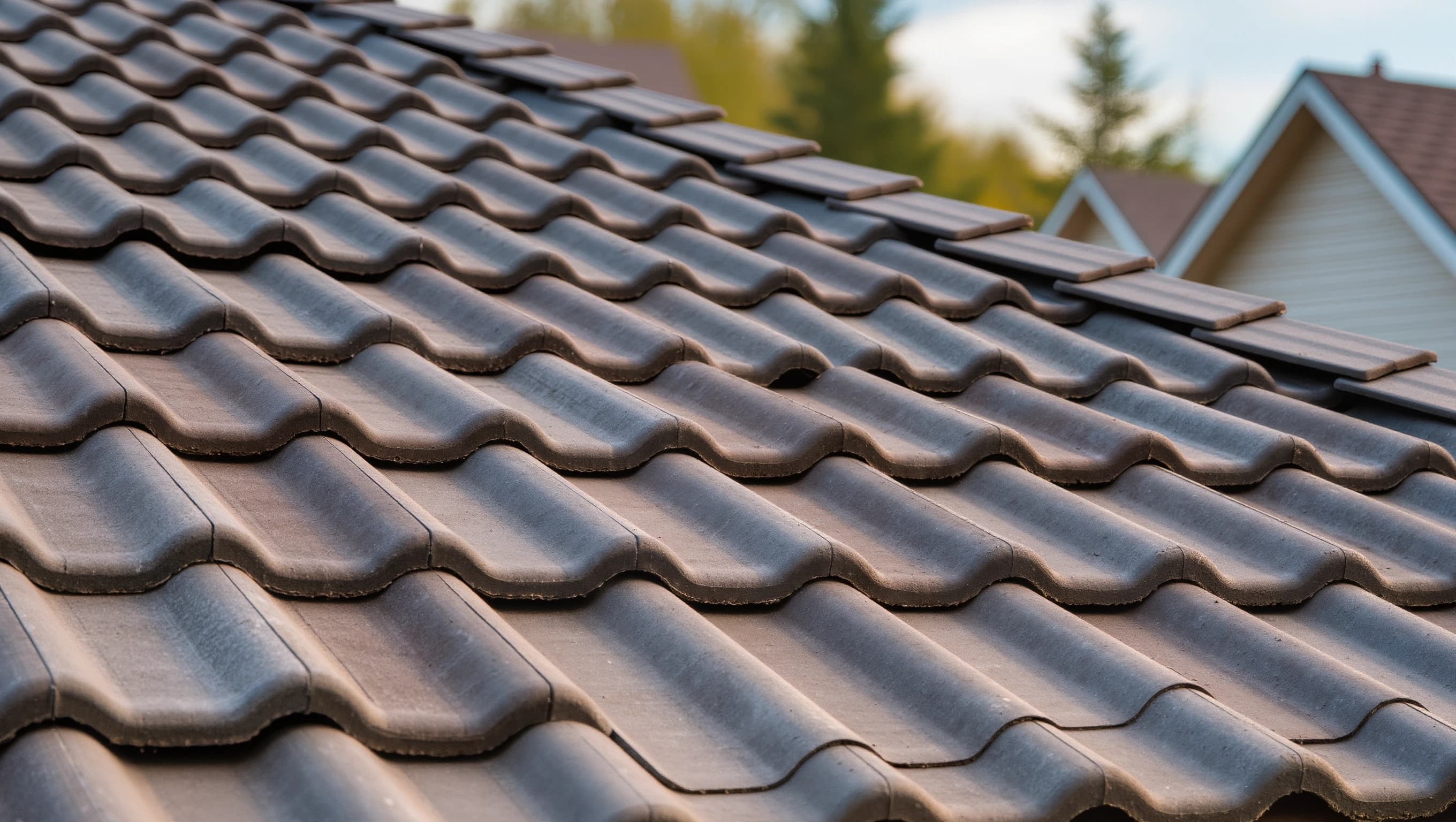
Looking at the roof from the yard, you notice several shingles seem to be lifting slightly at the corners, as if losing their original flat shape. This isn't an immediate emergency in most cases, nor a sign to ignore indefinitely — the right response depends on how widespread the curling is and the roof's overall age.
Why shingles curl over time
Asphalt shingles contain oils that give them their original flexibility. With repeated UV exposure and heating-cooling cycles, these oils gradually evaporate, making the material stiffer and prone to warping at the edges — a normal aging process rather than a sudden defect.
Two types of curling, two different meanings
| Curling type | Likely cause | Urgency |
|---|---|---|
| Upward curl (cupping) | Normal aging, UV exposure | Moderate — monitor how it progresses |
| Downward curl (clawing) | Often tied to an attic ventilation issue | Higher — underlying cause needs fixing |
| Curling localized to one area | Possible localized damage (chimney heat, ventilation) | Targeted inspection recommended |
| Widespread curling across the whole roof | Roof broadly at end of life | Replacement to plan for |
How to assess the real urgency
Roof age matters more than isolated curling: shingles starting to curl after 18-20 years of installation are probably nearing the end of their useful life anyway, while the same sign after just 8-10 years warrants investigating the underlying cause, potentially tied to ventilation rather than normal material aging.
What to check while waiting for a professional inspection
- The percentage of shingles affected — a few isolated shingles differ greatly from widespread curling across the whole surface.
- Granules in the gutter — significant granule loss alongside curling speeds up deterioration.
- The roof's age, if you know it, to place the curling in the context of the material's expected lifespan (generally 20-25 years in Quebec).
- Attic ventilation — excess heat trapped under the roof speeds up shingle aging from the inside.
What to do based on what you observe
For light curling on a relatively young roof, annual monitoring is generally enough, with no immediate action needed. For widespread curling on a roof approaching or past 20 years, planning a replacement within the next year or two, rather than waiting for a complete failure, avoids emergencies and the associated water damage. A roofer can confirm precisely where your roof sits on this spectrum during an inspection.
Frequently asked questions
Does shingle curling automatically cause leaks?+
Not automatically in the early stages, but a curled shingle offers less protection against wind and rain, gradually raising infiltration risk.
Can I just replace the curled shingles without redoing the whole roof?+
For a few isolated shingles, yes; for widespread curling, a full replacement generally makes more sense since the rest of the shingles will reach the same stage soon.
Does shingle color affect how fast they curl?+
Yes, darker shingles absorb more heat, which can slightly speed up oil evaporation and the curling process.
Can better attic ventilation slow down curling?+
Yes, reducing heat trapped under the roof slows shingle aging from the inside, extending their useful life.
Get a free quote
More to know before your project.
By Éric Gagné — RBQ-licensed roofer, roofing and roof snow removal specialist
Updated on July 23, 2026