
Should I Close the Heating Registers In Rooms I Don't Use?
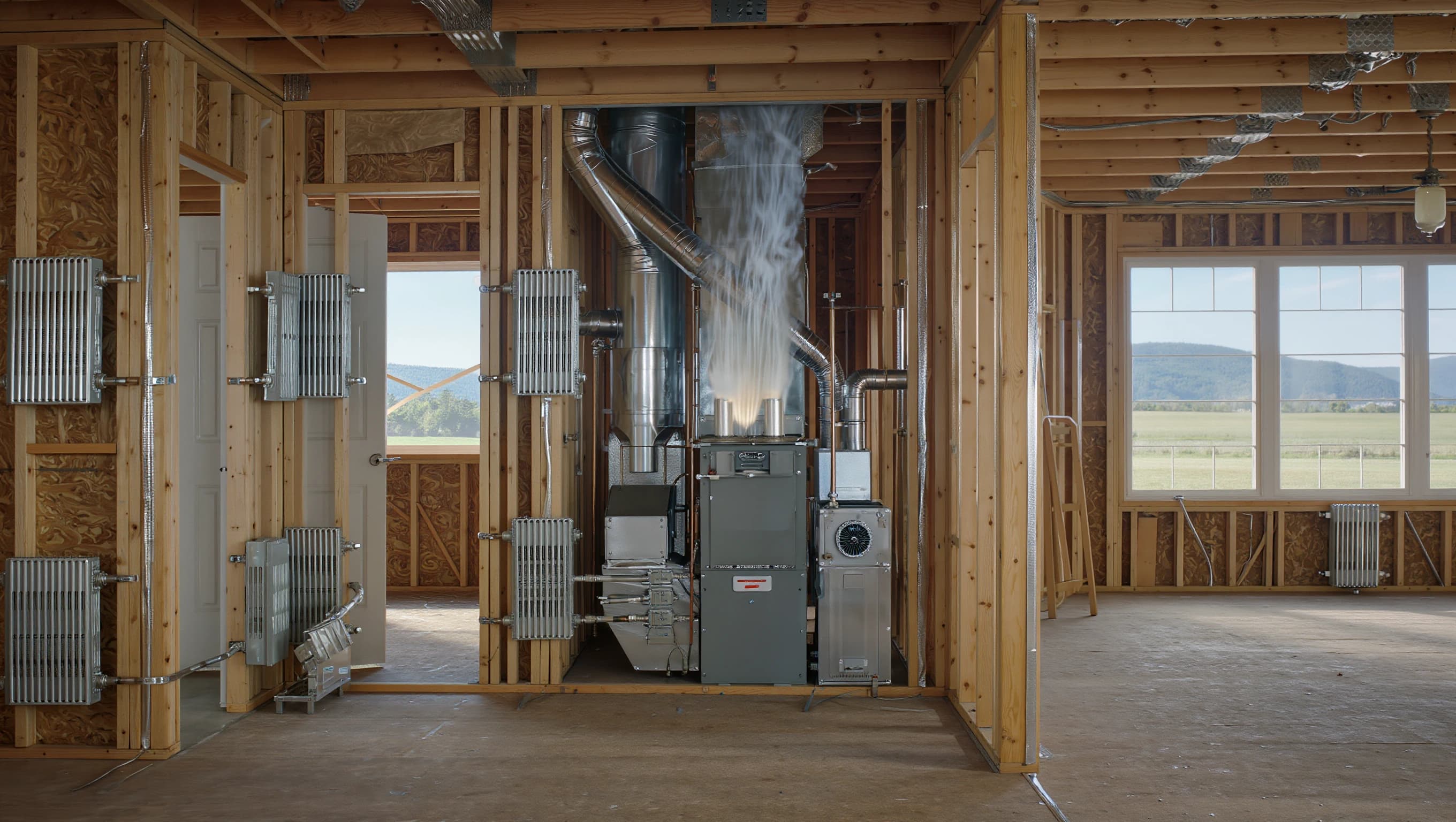
A guest room or office sits unused most of the time, and closing its heating register to save money seems like an obvious move. The reality of how a central system operates complicates that simple logic.
Why this practice doesn't work as expected
A central heating system is designed to distribute a precise volume of air through the entire duct network, calculated based on the total number of open registers. Closing one or more registers doesn't reduce the amount of air the system produces — that air instead looks for another way out, often raising pressure throughout the whole system.
Possible consequences of closing too many registers
| Consequence | Why it happens |
|---|---|
| Minimal or nonexistent energy savings | The system keeps producing the same amount of heat, regardless of where it goes |
| Increased duct pressure | Air seeks an alternate escape route, putting more strain on the system |
| Air leaks at poorly sealed duct joints | Increased pressure can force air to escape through existing gaps |
| Premature wear on the system's blower | A system working against increased pressure puts more strain on its components |
How many registers can be closed without a problem
Most manufacturers recommend never closing more than 10-20% of the home's total registers, a limit beyond which negative effects on pressure and efficiency start outweighing any potential savings.
What actually works to save on an unused room
A zoned system, with motorized dampers independently controlled by zone, truly reduces heating in one section of the home without affecting the system's overall pressure — a more expensive solution to install, but one that solves what simple register-closing can't.
Why closing a single register generally remains acceptable
Closing just one register in a home with several dozen has minimal impact on overall pressure, unlike closing several registers at once hoping for bigger savings — moderation remains key if this practice is used at all.
Frequently asked questions
Can closing a register really damage my system?+
Closing a single register has minimal impact, but closing several at once can create enough pressure to damage the system long term.
Is a zoned system worth the investment for just one unused room?+
For a single room, the investment rarely pays off — this solution makes more sense for several distinct zones with different heating needs.
How do I know if I've already closed too many registers?+
An unusual whistling in the ducts or a system that seems to work harder than usual can indicate excess pressure caused by too many closed registers.
Is closing a register in an unfinished basement different from a bedroom upstairs?+
The principle stays the same regardless of the room — the recommended 10-20% limit on total registers applies to the whole house, not just one type of room.
Get a free quote
More to know before your project.
By Marc Tremblay — Certified HVAC technician, 12 years of experience in Quebec
Updated on July 23, 2026